
Crashing a scooter in Vietnam isn’t rare. What surprises most foreigners is what happens after—especially if you’re riding a 110cc–155cc bike without a Vietnam-valid license.
In Da Nang, roads are smoother than Hanoi or Saigon, but the risks are real: sand on coastal turns, sudden U-turns, night rain, and tourists who underestimate how fast “just a quick ride” can go sideways.
This guide is the street-smart breakdown of what can happen in 2026—and how to protect yourself before you ever twist the throttle.
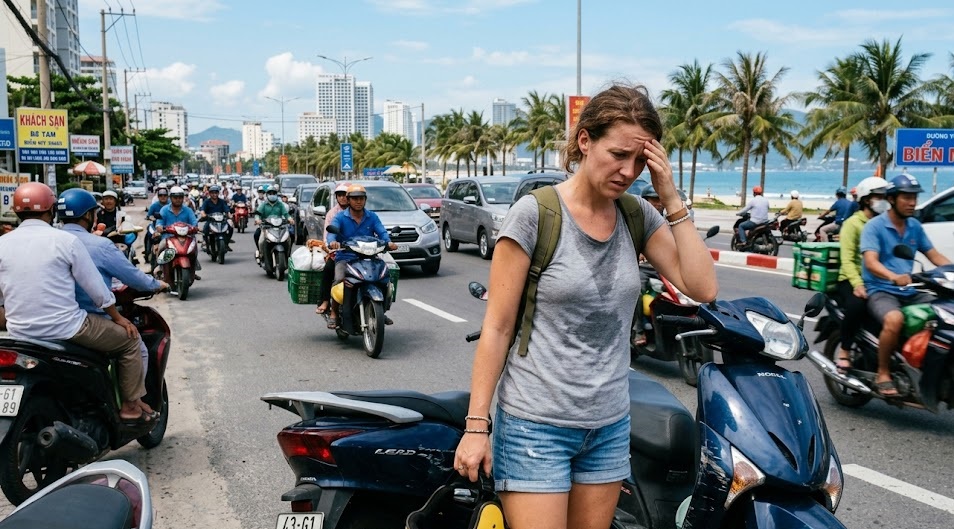
First: the crash isn’t the biggest problem. The paperwork is.
A minor spill can be annoying. A serious crash can be life-changing. But the biggest “gotcha” for travelers is this:
If you’re riding illegally (wrong license/IDP for the bike), you can end up paying everything out of pocket—even if you have travel insurance.
And in 2026, Da Nang police enforcement is more serious than the old backpacker advice suggests.
What usually happens right after a crash in Da Nang
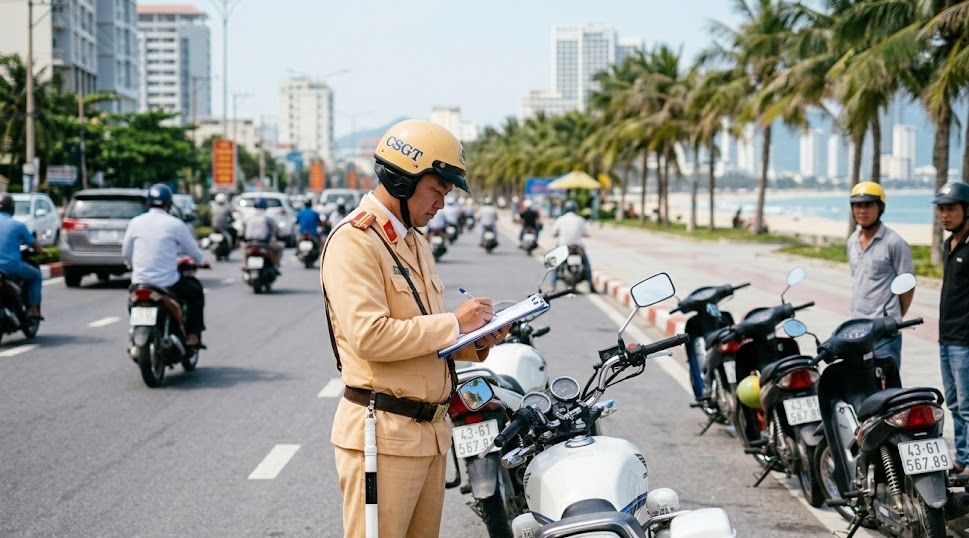
Here’s the typical chain of events (based on what we see again and again with foreign riders):
1) Locals stop and help (usually)
Vietnamese people are often quick to assist—moving bikes, offering water, calling someone who speaks English.
But the scene can become crowded fast. That’s normal.
2) Someone calls the police (especially if another vehicle is involved)
If it’s you only (single-bike fall) and nothing is blocked, police may never show up.
If you hit:
- another scooter
- a car
- a pedestrian
- property (parked vehicle, shop front)
…expect police involvement. And expect paperwork.
3) Police may ask for documents
In Da Nang, traffic police typically care about:
- helmet use
- basic rule compliance (wrong-way riding, red lights, alcohol)
- engine size + licensing paperwork
- registration (the “blue card” / vehicle registration) and rental agreement
If you can’t produce what’s required for your bike category, you’re immediately in a weak position.
The money part: what you might have to pay
Let’s talk about the part nobody wants to think about on vacation.
If you damage the rental scooter
Most rental agreements make you responsible for actual repair costs. That can range from small to brutal depending on what breaks.
Common costs after a fall:
- scratched panels & mirrors
- bent brake levers
- cracked plastics
- wheel alignment
- tire damage (especially if you slide)
Even a “small” crash can cause expensive cosmetic damage on premium bikes.
If you damage someone else’s vehicle (or injure someone)
This is where it can get serious fast.
If another person is involved, you may face:
- paying repairs for their vehicle
- paying medical costs
- paying compensation for lost work time (this is common in negotiations)
- police reports and mediation
In Vietnam, it’s not always a neat “insurance handles it” situation like back home—especially for foreigners riding without correct legal documents.
The risk most tourists don’t understand: insurance can reject your claim
This is the nightmare scenario.
Many travelers assume:
“I bought travel insurance, so I’m covered.”
In reality, most travel insurance policies include conditions like:
- you must hold a license valid in the country you’re riding in
- you must follow local laws
- sometimes they specify engine size limits
So if you crash on a 125cc scooter and your paperwork isn’t recognized in Vietnam, the insurer can say:
“You were riding illegally. Claim denied.”
That can mean:
- hospital bills (for you and others)
- paying damage compensation yourself
- legal/admin costs
- a trip-ending mess instead of a beach holiday
If you want the full legal breakdown, read our guide to Vietnam motorbike laws—it explains why so many Western tourists are unknowingly in the danger zone in 2026.
“But everyone rides without a license…” — not a strategy in 2026
You’ll still hear people say:
- “Police don’t care.”
- “Just pay a small fine.”
- “The shop will handle it.”
Here’s the reality: the consequences aren’t predictable. And unpredictability is exactly what you don’t want when you’re injured and stressed.
In 2026, if you’re stopped after a crash (or at a checkpoint) while riding a bigger scooter without Vietnam-valid licensing:
- fines can be high
- the bike can be impounded for days
- your rental company may have to negotiate
- you can be held personally responsible for damages
And again—insurance issues are often the biggest long-term cost.
The safest pivot for tourists: go 50cc (legal, slower, easier to control)
If you don’t have a Vietnam-valid license situation sorted, the smartest move is choosing a bike category that is legal without a license.
In Vietnam, 50cc scooters (and 50cc-equivalent electric scooters) are treated differently under current regulations:
- No motorcycle license required
- No IDP required
- much simpler if you’re stopped by police (you show passport copy + rental docs + registration)
That’s why we recommend the no-license scooter option for so many travelers. It’s not about being “cheap.” It’s about removing the biggest legal and insurance trap.
Why 50cc reduces crash risk (practically, not theoretically)
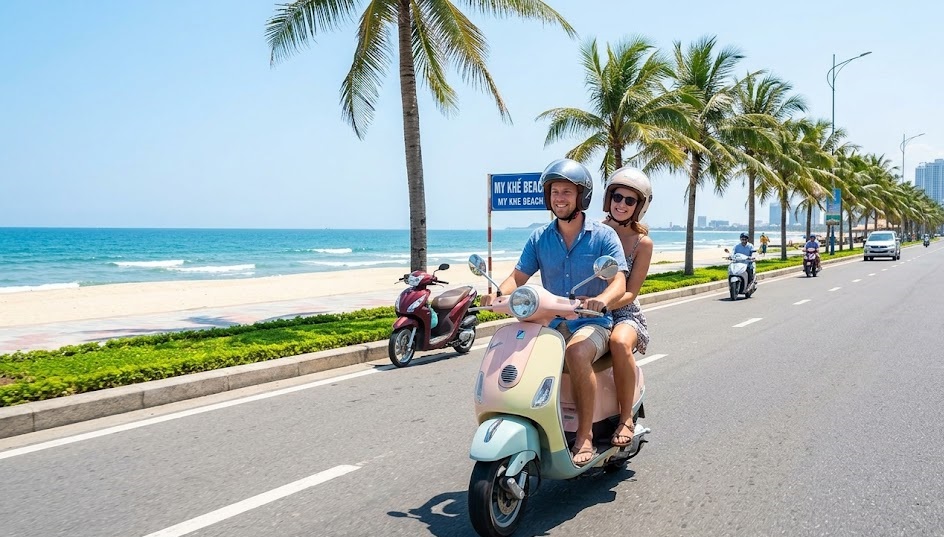
A 50cc scooter isn’t just “legal.” It changes the way you ride:
- slower top speed = fewer high-energy impacts
- smoother acceleration = less panic-throttle
- lighter bike = easier balance at low speed
- easier parking and tighter turns in busy areas
Most tourist crashes happen from:
- overconfidence + speed
- wet roads
- surprise obstacles
- late braking or grabbing the front brake in panic
A 50cc scooter gives beginners more time to react.
💡 Local Pro-Tip:
The most common Da Nang tourist crash isn’t a highway smash—it’s a low-speed slide on sand near the beach roads (Vo Nguyen Giap / Hoang Sa) or a wet painted line at night. If you’re not experienced, a slower bike and wider following distance matter more than “power.”
What to do if you crash (step-by-step)
If it happens, keep it simple and protect yourself:
1) Get out of danger
Move yourself (and the bike) away from traffic if you can safely.
2) Check injuries first
Adrenaline lies. Even if you “feel fine,” check:
- head impact (helmet damage = replace it)
- wrists and shoulders (common injuries)
- road rash (clean immediately)
If you hit your head hard, don’t tough it out—get checked.
3) Take photos immediately
Before bikes are moved around too much, photograph:
- vehicle positions
- plate numbers
- damage close-ups
- the road condition (sand, pothole, oil slick)
- any relevant signs/lights
4) Call your rental company
A professional rental company should help you navigate:
- repair steps
- police communication
- replacement bike options
- documentation
This is one reason renting from a trusted provider matters.
5) Don’t “agree” to random numbers on the street
If someone demands cash immediately, stay calm. If police are involved, let the process happen properly. If there’s a language barrier, ask for time to contact your rental company.
The real “cheat code” for foreigners: remove the license risk entirely
If you’re from a country where your IDP isn’t recognized in Vietnam (very common), you can spend your whole trip riding with that low-level anxiety:
“What if I get checked? What if I crash?”
Or you can choose the legal path and actually enjoy Da Nang.
A safe 50cc scooter is the cleanest solution for:
- tourists with no motorbike license
- travelers with an IDP that Vietnam doesn’t recognize
- beginners who want a calmer ride
- couples who mainly cruise beaches, cafés, and city routes
And yes—50cc scooters can still handle the classics:
- My Khe Beach coastal roads
- Marble Mountains (mostly flat access routes)
- city markets, cafés, and night rides
If you want to stay 100% legal and stress-free, just rent a 50cc scooter in Da Nang and ride within your comfort zone.
What DanangBike does differently (and why it matters after a crash)
Not all rental shops are built for foreigners. The difference shows up when something goes wrong.
At DanangBike:
- we provide clear rental documentation and proper registration (“blue card”)
- our bikes are cleaned, checked, and maintained for safe daily riding
- we’re reachable with real 24/7 WhatsApp support in English
- we guide you toward legal options (especially 50cc/electric) if you don’t have correct paperwork
If you’re worried about police checks, insurance, or just being new to Vietnam traffic, start with the legal category. That’s why our no-license scooter option is so popular with Western travelers.
Your safest plan for Da Nang in 2026
If you take one thing from this article, make it this:
A crash on vacation is bad. A crash while riding illegally can be financially devastating.
Choose the setup that keeps you legal, insured (as much as your policy allows), and in control:
- wear a real helmet (not the flimsy “freebie” kind)
- avoid speeding and night rain when possible
- don’t ride after drinking
- pick a bike you can truly handle
For many visitors, that’s a 50cc scooter—simple, legal, and forgiving.
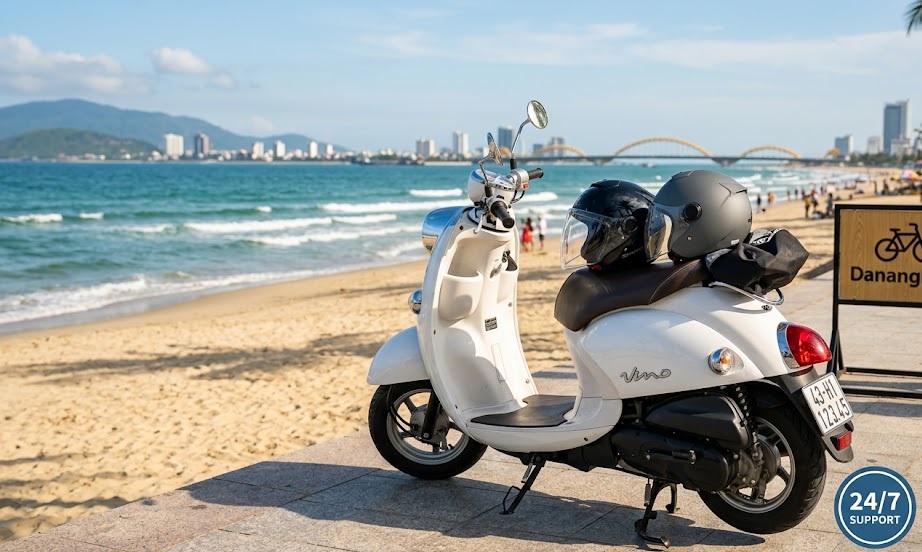
Book with DanangBike (safe, legal, no hidden drama)
We’ll help you choose the right scooter for your route and comfort level. Every rental is set up to be tourist-friendly, with high-quality helmets and 24/7 English WhatsApp support.
Free Delivery is available for 7+ day rentals (hotel/airport depending on area and timing).
📲 Book your safe ride today via WhatsApp: +84 945 288 977
🌐 Browse our fleet: DanangBike.com